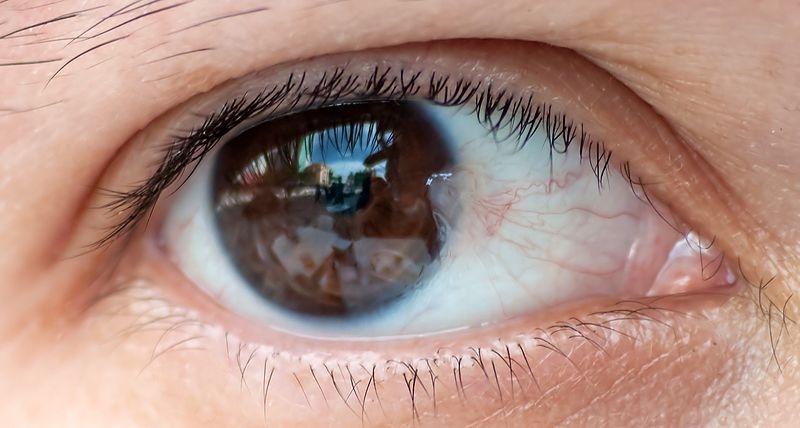
What causes it?
The exact cause of pterygium isn’t known. One explanation is that too much exposure to ultraviolet (UV) light can lead to these growths. It occurs more often in people who live in warm climates and spend a lot of time outdoors in sunny or windy environments. People whose eyes are exposed to certain elements on a regular basis have a higher risk of developing this condition. These elements include:
What are the symptoms?
A pterygium doesn’t always cause symptoms. When it does, the symptoms are usually mild. Common symptoms include redness, blurred vision, and eye irritation. You might also feel a burning sensation or itchiness. If a pterygium grows large enough to cover your cornea, it can interfere with your vision.
Thick or larger pterygium can also cause you to feel like you have a foreign object in your eye. You might not be able to continue wearing contact lenses when you have a pterygium due to discomfort.
How is it diagnosed?
Diagnosing a pterygium is straightforward. Your eye doctor may diagnose this condition based on a physical examination using a slit lamp. This lamp allows your doctor to see your eye with the help of magnification and bright lighting. If your doctor needs to do additional tests, they may include:
- Visual acuity test. This test involves reading letters on an eye chart.
- Corneal topography. This medical mapping technique is used to measure curvature changes in your cornea.
- Photo documentation. This procedure involves taking pictures to track the growth rate of the pterygium.
How is it treated?
A pterygium usually doesn’t require any treatment unless it’s blocking your vision or causing severe discomfort. Your eye doctor might want to check your eyes occasionally to see if the growth is causing vision problems.
Medications
If the pterygium is causing a lot of irritation or redness, your doctor may prescribe eye drops or eye ointments that contain corticosteroids to reduce inflammation.
Surgery
Your doctor may recommend surgery to remove the pterygium if eye drops or ointments don’t provide relief. Surgery is also done when a pterygium causes a loss of vision or a condition called astigmatism, which can result in blurry vision. You can also discuss surgical procedures with your doctor if you want the pterygium removed for cosmetic reasons.
There are a couple of risks associated with these operations. In some cases, a pterygium can return after being surgically removed. Your eye might also feel dry and irritated after surgery. Your doctor can prescribe medications to provide relief and reduce the risk of having a pterygium grow back.
How to prevent getting a pterygium?
If possible, avoid exposure to environmental factors that can cause a pterygium. You can help prevent the development of a pterygium by wearing sunglasses or a hat to shield your eyes from sunlight, wind, and dust. Your sunglasses should also provide protection from the sun’s ultraviolet (UV) rays. If you already have a pterygium, limiting your exposure to the following can slow its growth:
- wind
- dust
- pollen
- smoke
- sunlight
Avoiding these conditions can also help prevent pterygiums from coming back if you’ve had any removed.